LeapFrog on ToyLearn TV
Phonics, numbers, and music toys built for early learners.

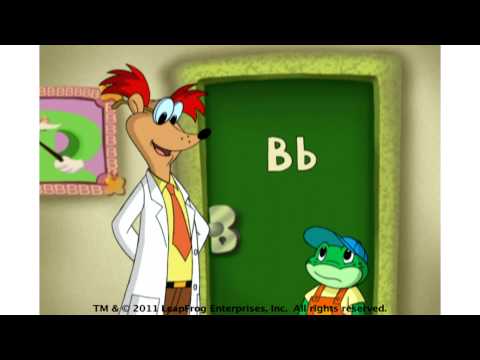


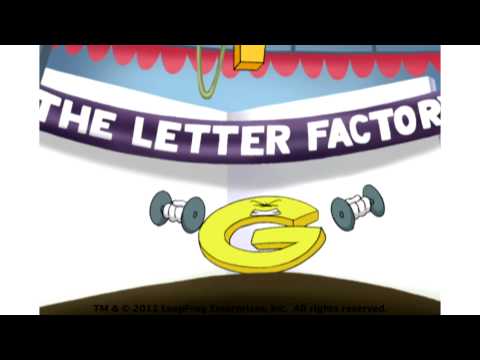


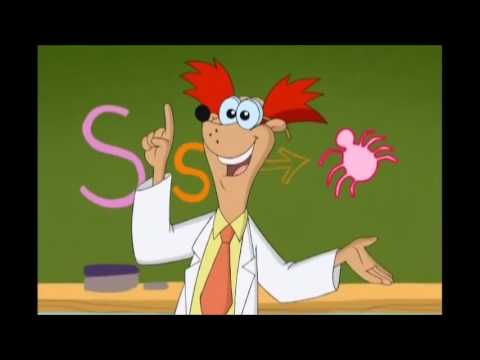


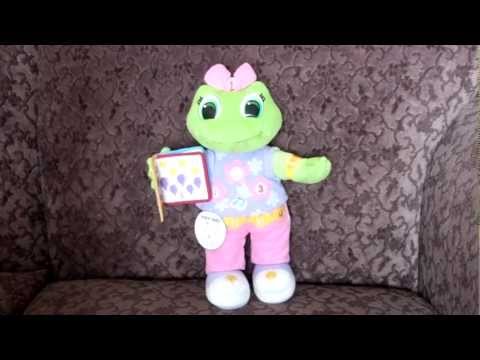


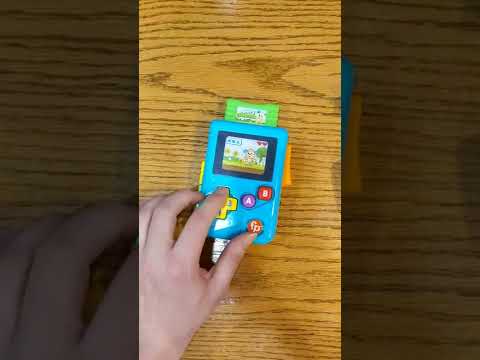


LeapFrog has been making early-childhood toys for decades, and it shows up on ToyLearn TV because the brand keeps doing the basic things well: chunky pieces a toddler can actually grip, predictable cause-and-effect, calm packaging, and a clear connection between the toy and the concept it teaches. Phonics, numbers, and music toys built for early learners.
On this page you'll find a curated set of LeapFrog unboxing and play videos that lean explicitly into the early-learning side of the brand — colors, shapes, numbers, letters, and counting. Each video is paired with a parent-facing summary that explains what your child is most likely to take from the clip, so you don't have to guess whether a particular video is right for your toddler today. For families who want to read further on this, Zero to Three — Early Development is a good plain-language starting point.
What makes LeapFrog especially useful for the 18-month to 4-year window is the way the toys handle repetition. Toddlers learn by doing the same small thing again and again, and LeapFrog toys are usually built to survive that. The same stacking ring, the same letter button, the same little pretend kitchen tool — used eighty times across a week — is exactly the kind of friction-free, safe-to-fail material that turns a passing curiosity into a stable skill.
If your child is brand-new to LeapFrog, start with one of the slower, lower-stimulation clips on this page (the cards near the top tend to fit younger toddlers). If you've been using LeapFrog toys at home for a while, jump straight to one of the concept-focused videos — color sorting, number recognition, alphabet hunts — and treat the clip as a warm-up before pulling out the real toy.
ToyLearn TV is not affiliated with LeapFrog. We don't take payment to feature any brand, we don't run sponsored placements aimed at children, and we screen every video for tone, pacing, and content before it makes the page. If you want to read more about how we choose what goes on the site, our content standards page lays it out in plain language.