For 4-year-olds
Letter sounds, numbers to twenty, and pretend-play scenarios.




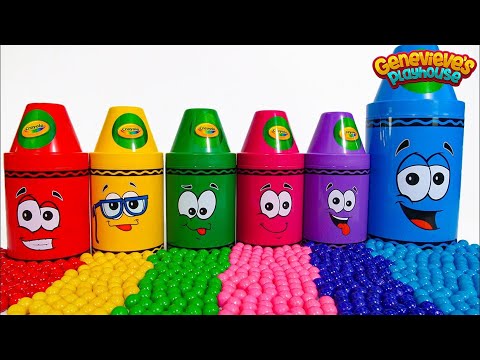

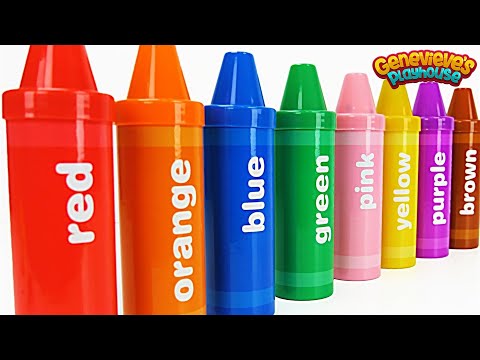

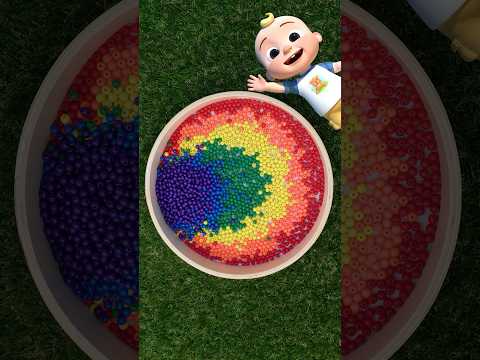



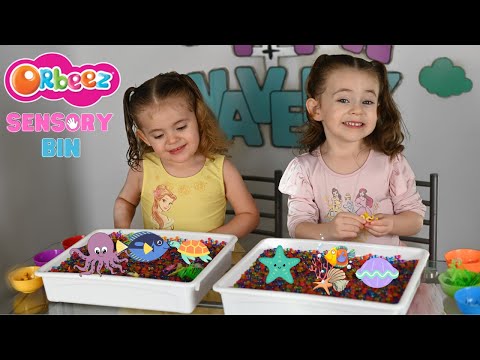




Welcome to the 4-year-olds guide on ToyLearn TV. The videos collected here have been hand-picked for the developmental window of 4-year-olds, which means slow pacing, repetitive structure, real toys in real hands, and concepts that match what children at this age are working on inside their heads. We don't dress up older content for younger viewers, and we don't bore older toddlers with under-stimulating clips.
At 4-year-olds, screen time is most useful when it acts as an invitation back into play, not as a replacement for it. The clips on this page are short on purpose, the brand-name toys featured are common enough that you may already own one or two of them, and the on-screen narration leaves quiet space for your child to point, name, and respond out loud. That little pause is where most of the real learning happens. For families who want to read further on this, HealthyChildren.org — Media Tips is a good plain-language starting point.
Caregivers often ask which concepts are "right" for 4-year-olds. The honest answer is: the ones your child keeps reaching for. If a 4-year-olds-old is pointing at every red car on the street, lean into the Colors corner. If they keep asking "how many?" at dinner, the Counting corner is your next stop. The site is laid out so you can move from this age guide into a concept corner in one tap, and into a brand spotlight in one more.
We pair every video on this page with a short parent summary explaining what a child at 4-year-olds is likely to take from the clip and how to extend the lesson off-screen. Most of the suggestions involve toys you already own — wooden blocks, plastic stacking cups, a tub of Play-Doh, a handful of farm animals — because the goal is always to land back at the toy basket, not to send you shopping.
If you want a one-page primer on how to use ToyLearn TV alongside your child at this age, our For Parents page is a good next stop. For the principles we apply when choosing what to publish here, the Safety & Content Standards page covers the rules in plain language.